The information can cover a range of fields, including clinical effectiveness and safety, cost-effectiveness and budget impact, organisational and social aspects, and ethical and legal issues. The information is collected and presented in a systematic, unbiased and transparent manner.
Health technology assessment (HTA) is a multidisciplinary research process that collects and summarises information about a health technology.
The health budget in Ireland is finite. To invest in a new technology means that it may be necessary to stop or reduce funding for another technology or service. To make that choice, it is important that accurate and reliable evidence is presented to support decision-making. The goal of HTA is to provide that independent evidence.
Read our Guide to Health Technology Assessment
This guide provides an overview of what HTA is and how it is conducted by HIQA. It explains what information is considered in a HTA and how that information is used to produce advice to ensure that investment and disinvestment decisions are well informed and evidence-based. It also outlines what the outcomes of the HTA process are and how HTA is used in decision-making.
HIQA has a statutory remit to evaluate the clinical and cost effectiveness of health technologies, and provide advice to the Minister for Health and to the Health Service Executive (HSE). It is recognised that the findings of a HTA may have implications for other key stakeholders in the Irish healthcare system, such as patient groups, the general public, clinicians, other healthcare providers, academic groups, and the manufacturing industry. HTA guideline documents provide an overview of the principles and methods used in assessing health technologies. They act as a guide for everyone who is involved in the conduct or use of HTA in Ireland, promoting the production of assessments that are timely, reliable, consistent and relevant to the needs of decision-makers and key stakeholders in Ireland.
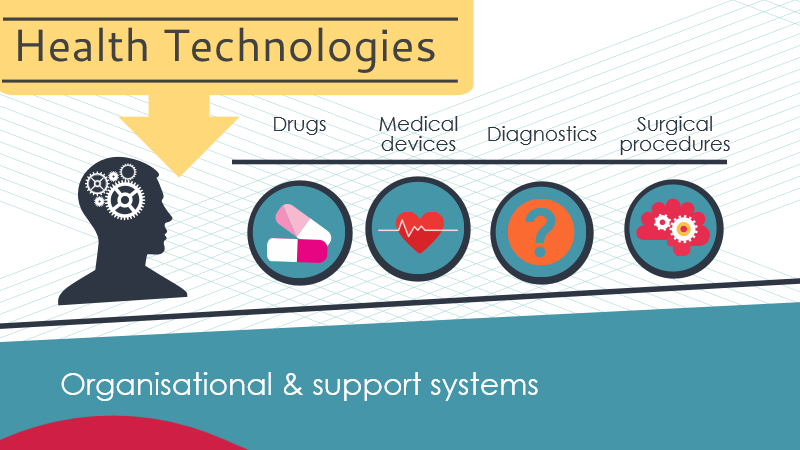
These guidelines are intended to inform assessments conducted by, or on behalf of HIQA, the National Centre for Pharmacoeconomics (NCPE), the Department of Health and the HSE, as well as health technology developers preparing applications for reimbursement. The guidelines are intended to be applicable to all healthcare technologies, including pharmaceuticals, procedures, medical devices, broader public health interventions and service delivery models.
A suite of national HTA guidelines have been developed based on international best practice. These guidelines are reviewed and updated, where appropriate, to ensure that they are consistent with current best practice and that the methods and procedures reflect relevant regulatory requirements.
Currently being updated:
Strategic participation and collaboration in European and international HTA networks ensures we continue to optimise our approach to HTA.
HTAR (HTA Regulation) is an EU regulation designed to improve the availability for EU patients of innovative technologies in the area of health, such as medicines and certain medical devices. The regulation provides a transparent and inclusive framework by establishing a Coordination Group of HTA national or regional authorities. This Regulation replaces the voluntary network of national authorities (HTA Network), and the EU-funded project-based cooperation (Joint Actions EUnetHTA) with a permanent framework for joint work. The HTAR will also reduce duplication of efforts for national HTA authorities and industry, facilitate business predictability and ensure the long-term sustainability of EU HTA cooperation. HIQA is an active participant in HTAR-related work, contributing to process and methodological guidance and, once commenced, to joint clinical assessments.
HTAi is the global scientific and professional society for those who produce, use, or encounter HTA. Its members include researchers, agencies (including HIQA), policy-makers, industry, academia, health service providers, and patients and or consumers. HIQA hosted the annual scientific meeting of HTAi in Dublin in June 2010 which was attended by over 1,200 delegates.
INAHTA (International Network of Agencies in HTA) is a collaboration of 52 HTA agencies, including HIQA, from more than 50 countries around the world. The network aims to accelerate exchange and collaboration among agencies and promotes information sharing to prevent duplication of activities.
HAG (Head of Agencies Group) is a network of health technology assessment agencies from across Europe. The group is a HTA-focused collaborative network for high level strategic exchange and discussion. It has a keen focus on supporting the development of joint HTA at an EU level and advising policy-makers and relevant EU and national institutions on matters regarding HTA, particularly cooperation in HTA.